

Shape Your Scenes With Clear Montage Thinking
Shop allBuilt From a Love of the Cut
Curated Paths for Creative Practice
-
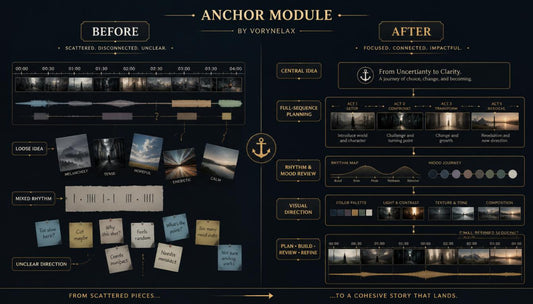
Anchor Module
Regular price €488,00 EURRegular price -
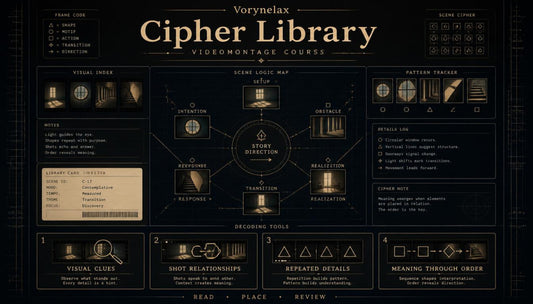
Cipher Library
Regular price €176,00 EURRegular price -
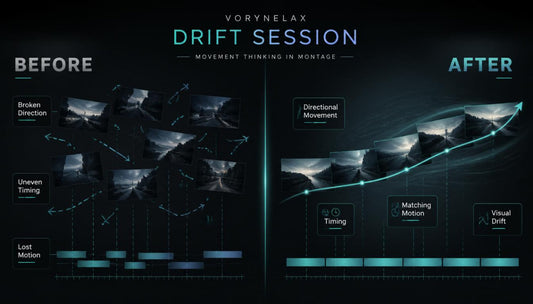
Drift Session
Regular price €121,00 EURRegular price -
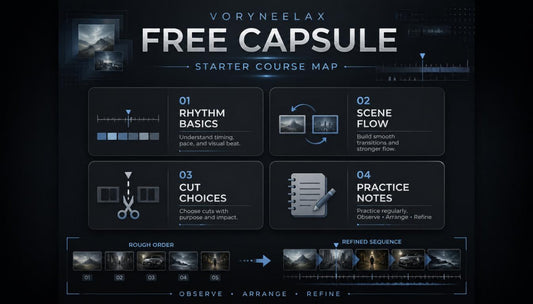
Free Capsule
Regular price €0,00 EURRegular price




As Seen On


Editing Ideas Into Motion


30-days refund guarantee
Explore on all Device


Small Details. Stronger Edits. Better Flow.
-

Clear Structure
Each module follows a clean path from concept to focused practice tasks.
-

Practical Rhythm
Learners study timing, pauses, and cuts through guided scene practice tasks.
-

Visual Thinking
Examples show how framing, movement, and contrast guide each montage choice.
-

Steady Review
Review prompts help learners study scenes, compare versions, and refine choices.


Start With a Free Creative Sample
The People Behind the Timeline
-

Caspian Berkley
Timeline Structure Editor
Caspian studies how each scene sits inside the timeline. He shapes order, rhythm, and spacing with careful review. His work keeps montage projects clear, calm, and readable. -

Nolan Garten
Scene Rhythm Designer
Nolan focuses on timing, pauses, and visual movement. He reviews how each cut changes the scene feeling. His work supports smoother flow across creative montage projects. -

Brecken Austin
Shot Order Planner
Brecken organizes clips into clean and thoughtful sequences. He studies how one frame leads into another. His work helps each scene feel connected and purposeful.


Take a First Look Inside

Notes From the Editing Room
-

Alex Boshod
Alex came to Vorynelax after working with short creative edits that often felt uneven in rhythm. He had many visual ideas, but his timelines usually became crowded because he placed too many moments too close together. What helped him most was the structured review format, especially the way each module separated pacing, movement, and visual order into clear study.
“Vorynelax helped me slow down, compare my scene choices, and see why one cut can change the feeling of the whole sequence.” -

Dave Calister
Dave started with a basic understanding of montage, but he wanted a calmer way to organize his editing process. He often arranged clips by feeling alone and then struggled to explain why a scene did or did not feel connected. The most useful part for him was the lesson format, where examples were followed by practice notes and simple review questions.
“The materials gave me a cleaner way to think through shot order, rhythm, and the small details that shape a scene.”

